


Hello! If you are learning about search engine optimization (SEO), you might have come across two terms that seem alike but are different: Semantic SEO Vs Traditional SEO. Let’s explain these terms and compare the two strategies.
Before we dive in, let’s discuss SEO strategies. SEO is about helping your website appear higher in search results. The higher you are, the more people will visit your site. It’s like trying to get a good spot at a concert everyone wants to be up front!
SEO, at its core, involves optimizing your site to make it appealing both to users and search engines. It’s about ensuring that your website is easily discoverable and offers value to those who land on it. The ultimate goal is to increase visibility and drive organic traffic, which can lead to higher conversion rates and business growth.
SEO has come a long way since its inception. Initially, it was all about cramming as many keywords as possible into a webpage. However, as search engines have evolved, so have SEO strategies. Nowadays, it’s more about quality over quantity, understanding the user’s needs, and providing content that satisfies their search queries.
Today, SEO is very important for any business online. Without good SEO, your website could get lost on the internet. Using strong SEO strategies helps your site be seen more easily. It also builds trust and credibility with your audience. The goal is to create a smooth experience that keeps users interested and encourages them to return.
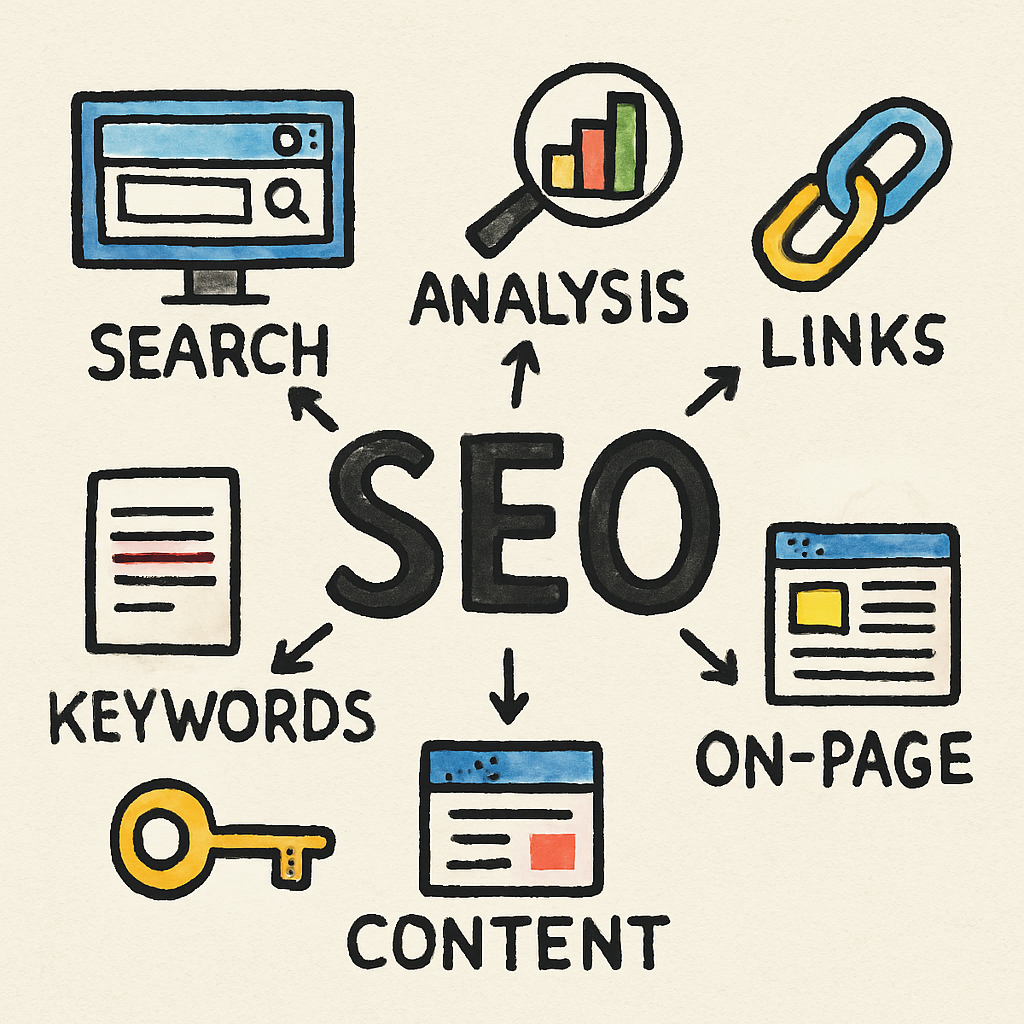
Keywords: The Foundation
Back in the day, SEO was all about stuffing your content with keywords. If you wanted to rank for “best pizza in town,” you’d make sure that phrase showed up everywhere on your site. Keywords were the backbone, guiding search engines to your content. However, this often led to keyword stuffing, which degraded content quality.
Backlinks: The Trust Factor
Getting other websites to link to yours was (and still is) a big deal. It’s like getting a thumbs up from other sites saying, “Hey, this place is legit!” Backlinks are crucial because they serve as endorsements. The more reputable sites that link to yours, the more credible you appear to search engines, enhancing your chances of ranking higher.
On-Page Optimization: The Technical Side
This includes things like meta tags, headers, and URL structures. It’s all about making sure your site is easy for search engines to crawl and understand. On-page optimization ensures that every element of your page is fine-tuned for search engines, making it easier for them to index your content properly and rank it accordingly.
Table of Contents
Semantic SEO: The New Kid on the Block
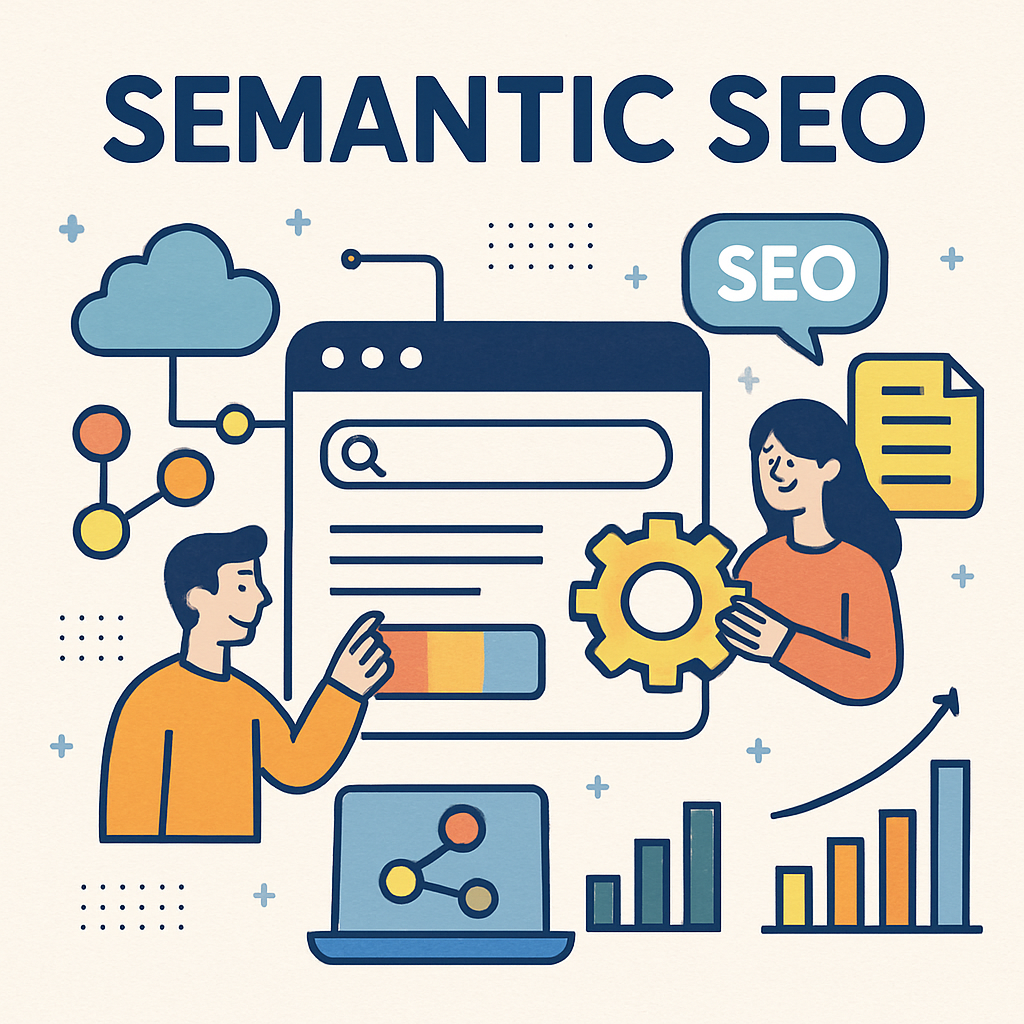
User Intent: Reading Between the Lines
Instead of just focusing on keywords, semantic SEO tries to understand what users are really looking for. It’s like reading between the lines. By focusing on intent, semantic SEO aims to deliver results that answer the user’s question, even if it wasn’t phrased in the exact keywords.
Context and Meaning: Beyond the Words
This strategy looks at the context of a search query, not just the words themselves. It’s about understanding the meaning behind the search. Semantic SEO takes into account the nuances of language, recognizing synonyms, and related concepts to provide a more comprehensive answer to queries.
Structured Data: Guiding the Search Engines
Semantic SEO often involves using structured data to help search engines understand the content better. Think of it as giving Google a cheat sheet! By implementing schema markup, you can improve how your site is displayed in search results, potentially leading to higher click-through rates and better user engagement.
Semantic SEO vs Traditional SEO: The Showdown

Alright, now that we’ve got the basics down, let’s see how these two SEO strategies compare.
Keywords vs. Intent
In traditional SEO, keywords are king. But in semantic SEO, it’s all about user intent. Sure, keywords are still important, but semantic SEO digs deeper to understand what users really want. It’s like being a mind reader! By focusing on the user’s needs, you can create content that resonates more deeply with your audience.
Backlinks vs. Content Quality
Traditional SEO relies heavily on backlinks for credibility. But semantic SEO puts a greater emphasis on content quality. Are you providing value to your readers? Are you answering their questions? That’s what matters more in the semantic world. High-quality content is more likely to attract organic backlinks, creating a virtuous circle of trust and authority.
On-Page Optimization vs. Context
With traditional SEO, on-page optimization is crucial. But semantic SEO takes it a step further by considering the context of the content. It’s not just about having the right tags and headers; it’s about making sure the content fits the user’s needs. By aligning content with user intent, you can improve engagement and satisfaction.
Structured Data: A Semantic SEO Superpower
One great thing about semantic SEO is structured data. When you add schema markup to your site, it helps search engines understand your content better. This is like giving your website an advantage! It can lead to better search visibility and more useful search snippets, which can encourage users to visit your site.
Why Semantic SEO is Gaining Ground
So, why is semantic SEO becoming more popular? Well, it all comes down to search engines getting smarter. With advancements in AI and machine learning, search engines are getting better at understanding user intent and delivering more relevant results.
The Rise of Voice Search

Voice search is on the rise, and it’s changing the way people search for information online. Instead of typing in short phrases, people are asking full questions. Semantic SEO is better equipped to handle this shift because it focuses on understanding natural language and intent. As voice search continues to grow, optimizing for it becomes increasingly important.
The Need for High-Quality Content
Today, content is very important. People want useful and informative content that answers their questions and helps with their problems. Semantic SEO values good quality content, which fits well with the internet today. By providing value, you can attract and keep a loyal audience.
A Better User Experience
At the end of the day, both traditional and semantic SEO aim to improve the user experience. But semantic SEO takes it to the next level by focusing on delivering more relevant and meaningful results. It’s all about giving users what they want, when they want it! By anticipating user needs and providing clear, concise answers, you can create a more satisfying online experience.
Wrapping It Up
So, there you have it! Semantic SEO and Traditional SEO are like two sides of the same coin. While traditional SEO lays the groundwork with keywords and backlinks, semantic SEO builds on it by focusing on user intent and content quality. As search engines continue to evolve, semantic SEO is likely to play an even bigger role in the world of digital marketing.
Building an Effective SEO Strategy
Whether you’re a seasoned SEO pro or just getting started, understanding the differences between these two strategies can help you create a more effective SEO plan. So, go ahead and start optimizing your site like a pro—your audience (and search engines) will thank you! By combining the strengths of both approaches, you can maximize your site’s potential.
The Future of SEO
And remember, SEO is always changing, so stay curious and keep learning. The landscape of digital marketing is dynamic, and staying informed is key to staying ahead. Happy optimizing! As you continue your SEO journey, remain open to new developments and ready to adapt to the ever-changing world of search.
Final Thoughts
In conclusion, both Semantic SEO and Traditional SEO are important in a good digital plan. By knowing their strengths and how they work together, you can build a strong online presence that helps users and search engines. Accept the changes in SEO, and your hard work will be rewarded over time.
Facebook
Twitter
Linkedin
Reddit
Tumblr

Our Latest Post
Semantic SEO vs Traditional SEO: What the Differences
ByBusinessic GrowUp Team
01/11/2025
Businessic GrowUp Blogs,Search Engine Optimization
Explore the key differences between Semantic SEO vs traditional SEO, and learn how these strategies can boost your search rankings by focusing on user intent and content quality…
Read More
Master Semantic Search Engines: A Comprehensive Guide
ByBusinessic GrowUp Team
30/10/2025
Businessic GrowUp Blogs,Search Engine Optimization
Master semantic search engines with this comprehensive guide. Learn how semantic SEO improves rankings, user intent matching, and content visibility…
Read More

Semantic SEO Strategies for 2026 for First Page Google Ranking
ByBusinessic GrowUp
25/10/2025
Businessic GrowUp Blogs,Search Engine Optimization
Unlock the future with semantic SEO. Discover why it’s crucial for 2026, enhancing keyword relevance, search intent, and user experience. Stay competitive!…
Read More

Best Free Remote Meeting Tools for 2026: Complete Analysis
ByBusinessic GrowUp
17/10/2025
Businessic GrowUp Blogs
Explore the best free remote meeting tools for 2026. Compare Google Meet, Zoom, Microsoft Teams, Jitsi Meet, and Cisco Webex. Features, tips, and future trends for smooth online collaboration…
Read More
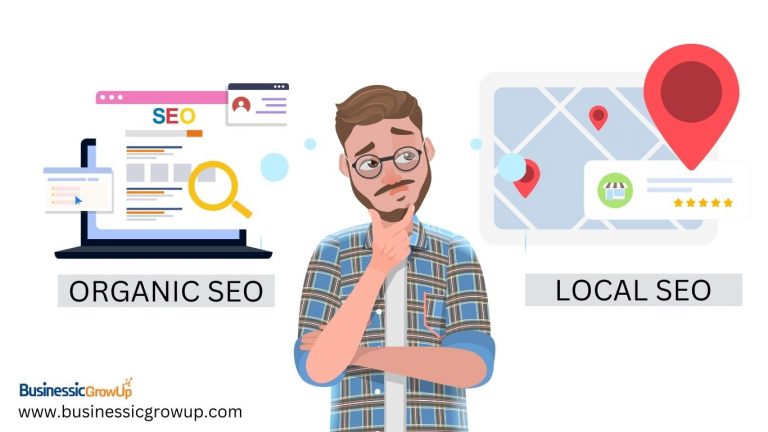
What is the difference between local and organic SEO
Byadmin
26/02/2025
Businessic GrowUp Blogs,Search Engine Optimization
Learn the difference between local and organic SEO: Local targets location-based searches, while organic focuses on general search rankings…
Read More
How Many Internal Links Per Page for SEO? | Full Guide And Strategies
Byadmin
25/02/2025
Businessic GrowUp Blogs,Search Engine Optimization
How Many Internal Links Per Page for SEO? | Full Guide And Strategies…
Read More

Best YouTube Video SEO Tools for 2025 | New YouTube SEO Tools
Byadmin
30/11/2024
Businessic GrowUp Blogs,YouTube Marketing
YouTube is not just a video platform it’s a search engine. With millions of videos uploaded daily, standing out requires optimized content. Using the Best YouTube Video SEO Tools for 2025…
Read More
Advanced YouTube SEO Growth Strategies
Byadmin
09/11/2024
Businessic GrowUp Blogs,YouTube Marketing
In 2025, YouTube remains a powerful platform for creators and brands to reach global audiences. However, with rising competition, Advanced YouTube SEO Growth Strategies are essential to stand out. As…
Read More

Most Profitable Business in Future 2025 | Emerging Trends and Opportunities
Byadmin
18/09/2024
Business,Businessic GrowUp Blogs
In this article, we will discuss the most profitable business in future 2025, focusing on sectors like artificial intelligence, renewable energy, e-commerce, health tech, and more. These industries…
Read More