

Semantic SEO is transforming the digital landscape. It focuses on understanding the context and intent behind search queries. This shift is crucial for businesses aiming to stay competitive.
By 2026, search engines will rely heavily on semantic search. This means delivering more accurate and relevant results. Businesses must adapt to this change to maintain visibility.
Keyword relevance remains important. However, understanding search intent is becoming even more critical. This approach enhances user experience by providing content that truly meets user needs.
Structured data plays a vital role in semantic SEO. It helps search engines better understand content. This can improve visibility and click-through rates significantly.
Topic clusters are another key element. They organize content around central themes. This improves site structure and search engine understanding.
Natural language processing (NLP) is integral to semantic SEO. It enables better interpretation of user queries. Python can be used for NLP tasks, automating processes and analyzing data.
Semantic SEO automation tools streamline content optimization. They help businesses efficiently adapt to semantic search requirements. A semantic SEO agency can offer expertise and resources.
By embracing semantic SEO, businesses can future-proof their strategies. This will ensure they remain competitive in the evolving digital landscape.
What is Semantic SEO? Understanding the Shift in Search
Semantic SEO is an evolved form of Search Engine Optimization. It moves beyond keywords, aiming to understand user intent and context. This approach aligns with how users naturally search for information.
Traditional SEO focused on keyword matching. However, user queries are complex and varied. Semantic SEO addresses this by interpreting the meaning behind words. This understanding enables search engines to deliver highly relevant results.
The technology powering semantic SEO includes semantic search and natural language processing (NLP). These components help decipher the nuances in user queries. They interpret synonyms, context, and relationships between terms.
Key Aspects of Semantic SEO:
- Understanding Context: Goes beyond mere keywords.
- User Intent: Aligns content with user needs.
- Contextual Relevance: Delivers more accurate results.
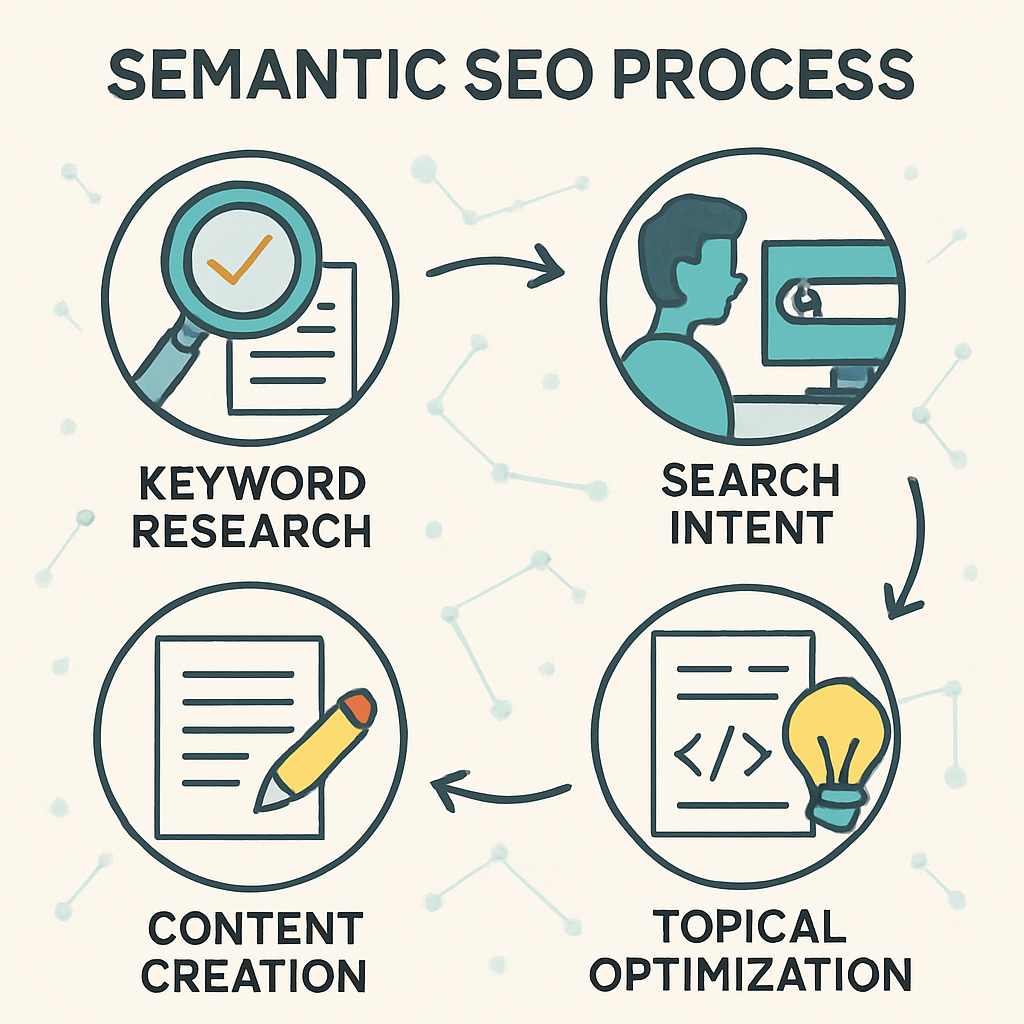
Semantic search is fundamental to this process. It emphasizes the use of structured data to provide detailed context. This helps search engines better recognize the content’s purpose.
As businesses shift to semantic SEO, they must rethink content strategies. Creating content that is comprehensive and contextually relevant is crucial. It ensures that search engines accurately interpret and rank content.
By 2026, the emphasis on semantic understanding in search will intensify. Businesses adopting these practices now will benefit significantly. They will enjoy improved rankings and user engagement.
In essence, semantic SEO is about aligning with the direction of search evolution. Adopting it ensures businesses meet the changing expectations of both search engines and users. This shift is not just necessary—it’s a vital strategy for success.
The Evolution of Search: From Keywords to Context
Search engines have evolved tremendously over the past decades. Initially, they relied heavily on keyword matching. This approach was straightforward but had its limitations.
In the early days, search engines matched exact words. They couldn’t understand context or nuance. This often led to irrelevant results. Over time, search engines became more sophisticated.
The introduction of semantic search changed everything. Now, search engines consider the relationship between words. They understand synonyms and context, delivering more accurate results.
Key Transformations in Search:
- Keywords to Concepts: Moving from strict keyword focus to understanding themes.
- User-Centric: Prioritizing user intent and needs.
- Contextual Understanding: Emphasizing the bigger picture in queries.

Semantic search relies on structured data. This data format helps search engines grasp the meaning behind content. It enriches search results with detailed context.
The role of natural language processing (NLP) is critical. NLP enables machines to understand human language nuances. By interpreting context, it matches user queries more effectively.

This evolution reflects a shift from quantity to quality. Today, search engines focus on delivering precise answers. This aligns with the way humans naturally seek information.
Businesses must adapt to these changes. The old keyword-centric methods are no longer sufficient. Emphasizing content that meets the semantic search criteria is essential.
By 2026, this evolution will further redefine SEO. It will be imperative to adopt strategies that embrace these advancements. Failure to adjust could mean reduced visibility online.
The future of search is rooted in understanding context and intent. Businesses ready to adapt will thrive in this new landscape.
Why Semantic SEO Will Be Essential by 2026
By 2026, search engines will have evolved even further. They will increasingly depend on understanding context and intent. This makes semantic SEO critical for future success.
Traditional SEO tactics may not suffice. Modern users expect more precise and relevant results. Semantic SEO addresses these expectations by focusing on meaning rather than mere keywords.
The role of search intent will grow in importance. Understanding what users mean, not just what they type, becomes pivotal. This shift will redefine how search engines rank content.
Businesses must prioritize content that provides true value. Quality and relevance will trump mere keyword density. Semantic SEO ensures your content meets these criteria effectively.
Benefits of Embracing Semantic SEO:
- Improved User Satisfaction: Delivering content that matches search intent.
- Enhanced Visibility: Boosting rankings with contextually rich content.
- Adaptation to AI: Aligning with AI-driven search algorithms.

Semantic search emphasizes user experience. It helps in creating a seamless journey from query to solution. This can significantly enhance how users interact with your site.
Investing in semantic SEO tools can be beneficial. These tools help automate complex tasks, saving time and effort. They also aid in keeping up with evolving search algorithms.
As AI and machine learning become more integrated, the relevance of semantic SEO grows. Businesses prepared for these changes will have a competitive edge. They will be better positioned to capture user interest and improve rankings.
It’s crucial to start integrating semantic SEO strategies today. By staying ahead of this trend, businesses can secure their digital future. The landscape may change, but the value of understanding and context will remain constant.
Search Intent and Keyword Relevance: The New SEO Priorities
Search intent has emerged as a powerful SEO component. It helps understand what users truly seek when they query. By focusing on this, SEO strategies can become more effective.
Keywords alone no longer suffice. Relevance has become crucial. Google prioritizes content that answers questions holistically and accurately.
Recognizing different types of search intent is essential. It helps in aligning content with what users mean to find. This focus significantly enhances user satisfaction and engagement.
Key Types of Search Intent:
- Informational: Users seek knowledge or answers.
- Navigational: Users look for specific sites or pages.
- Transactional: Users aim to make a purchase or complete an action.
- Commercial: Users research products or services before buying.

By 2026, understanding search intent will be indispensable. It will ensure your content aligns with users’ actual goals, not just keywords. This alignment will drive more meaningful traffic to your site.
Focusing on keyword relevance through intent-based content can improve rankings. It also attracts more qualified leads. Engaging users effectively translates to increased conversion rates.
In essence, the fusion of search intent with keyword relevance enhances SEO results. It makes your strategies future-proof and aligns with evolving search trends. Businesses must adapt to this shift to remain competitive.
How Semantic SEO Improves User Experience
Semantic SEO is a game changer for user experience. It focuses on delivering content that truly matches user queries. This alignment results in users finding what they need faster.
By understanding the context and search intent, semantic SEO crafts relevant responses. Users benefit from more accurate and meaningful results. This relevance reduces bounce rates and increases engagement.
Here’s how semantic SEO enhances user satisfaction:
- Personalization: Tailors content to fit individual user needs.
- Relevancy: Matches search intent with suitable content.
- Efficiency: Provides quick access to precise information.

Improved user experience leads to longer site visits. It fosters trust and credibility in your brand. When users enjoy their time on your site, they’re likely to return.
Semantic SEO also promotes smooth navigation by logically organizing content. A well-structured site helps users find information with ease. This organization boosts the overall user journey.
Ultimately, enhancing user experience through semantic SEO builds strong customer relationships. It encourages return visits and amplifies brand loyalty. For businesses, this approach is indispensable for future SEO success.
Structured Data: The Backbone of Semantic SEO
Structured data is crucial for semantic SEO. It helps search engines comprehend content better. This comprehension improves your website’s visibility.
Structured data formats information using specific code. This format makes content more accessible for search algorithms. As a result, it boosts rankings and click-through rates.
Here’s why structured data matters:
- Rich Snippets: Enhance search result appearance.
- Better Understanding: Improves search engines’ grasp of your content.
- Higher Visibility: Increases chances of getting featured.

Implementing structured data can lead to rich snippets. These snippets provide users with quick answers. They’re more likely to click on results with appealing snippets.
Structured data supports knowledge graphs, enhancing search context. It provides additional insights and valuable information upfront. This can lead to improved user engagement.
Integrating structured data also aids voice search. It ensures your content is found when users make voice-based queries. For a robust SEO strategy by 2026, structured data is indispensable.
Topic Clusters and Content Optimization for Semantic Search

The concept of topic clusters is central to semantic SEO. A topic cluster consists of a primary content piece linked to various related subtopics. This structure helps organize content around central themes, enhancing both user navigation and search engine comprehension.
Topic clusters elevate your site’s authority on specific subjects. They provide a comprehensive coverage that search engines prioritize. By doing so, they improve overall site relevance and search performance.
Here’s how to create effective topic clusters:
- Identify Core Topics: Choose central themes that resonate with your audience.
- Develop Subtopics: Create content pieces that delve into specific aspects of your core topics.
- Link Strategically: Ensure all subtopics link back to their corresponding central content piece.
Semantic search engines value comprehensive content. Hence, a well-organized site helps capture more relevant traffic. This organization meets the nuanced needs of modern users who value in-depth exploration.
Content optimization for semantic SEO involves more than just structuring. It requires quality, depth, and user-centered design. Providing rich, detailed information keeps users engaged and satisfied.
To optimize effectively, consider these elements:
- Use Natural Language: Craft content that mirrors the way people speak and ask questions.
- Focus on User Intent: Align content with what users are genuinely seeking.
- Update Frequently: Keep your content fresh and relevant for ongoing effectiveness.

Understanding semantic search changes how we approach SEO. It’s about going beyond keywords to grasp the rich tapestry of human inquiry. Implementing topic clusters is a forward-thinking strategy. It positions your site as an authoritative resource in the eyes of search engines and users alike. By embracing these principles, you’ll be ready for the SEO challenges of 2026 and beyond.
Natural Language Processing (NLP) and Semantic SEO
Natural language processing (NLP) is revolutionizing semantic SEO. By enabling computers to interpret human language, NLP enhances how search engines understand queries. This technology underpins the shift towards more context-aware search experiences.
NLP improves keyword relevance by focusing on semantics. It considers both word meaning and context, leading to more accurate search results. This depth of understanding helps match user queries with the most appropriate content.
As NLP techniques advance, search engines become more sophisticated. They can now understand nuances in language that were previously overlooked. This capability makes SEO strategies increasingly reliant on NLP.
Key aspects of NLP in semantic SEO include:
- Entity Recognition: Identifying relevant entities within text.
- Sentiment Analysis: Understanding the emotional tone of content.
- Topic Modeling: Uncovering the underlying themes in content.
 By 2026, relying solely on traditional keywords will be less effective. NLP will play a crucial role in search engines’ ability to predict user needs. This shift encourages content creators to focus on meaning over exact match keywords.
Using NLP effectively can set your site apart. It enables the creation of content that resonates deeply with user intent. Harnessing NLP tools and techniques offers a competitive edge in the evolving SEO landscape.
Semantic SEO, powered by NLP, represents a major evolution in digital marketing. It makes the interaction between users and search engines more intuitive and meaningful. As we move closer to 2026, leveraging NLP in semantic SEO will become essential for success.
How to Use Python for NLP and Semantic SEO Automation
Python is a powerful tool for implementing NLP in semantic SEO. Its versatile libraries make it ideal for processing and analyzing language data. This capability is crucial as semantic SEO continues to evolve.
Python can automate various SEO tasks, saving time and effort. For instance, it can handle data extraction and content analysis. This automates repetitive tasks, allowing for more strategic focus.
Several Python libraries are essential for NLP. NLTK (Natural Language Toolkit) is popular for text processing. It provides tools for tagging, parsing, and analyzing linguistic data. Another valuable library is spaCy, which offers advanced processing capabilities.
To begin using Python for semantic SEO, consider these steps:
- Install NLP libraries like NLTK and spaCy.
- Gather data from web sources using web scraping tools.
- Process and analyze text to extract meaningful insights.

Automating tasks with Python enhances efficiency in SEO. It allows for large-scale data analysis without manual intervention. This capacity supports more complex and informed decision-making processes.
Consider using Python to analyze keyword relevance and search intent. This approach provides clearer insights into user needs. Automating these tasks reduces human error and speeds up the SEO process.
Companies looking to adopt semantic SEO strategies can benefit from Python’s capabilities. By automating content optimization, Python facilitates the creation of more relevant and engaging content. Staying ahead in SEO requires leveraging such innovative tools.
As 2026 approaches, integrating Python into SEO strategies can provide a significant advantage. Its potential for automation and deep data analysis is unmatched. Businesses can gain a competitive edge by adopting this approach early.
The Role of AI and Machine Learning in Semantic Search
AI and machine learning are transforming how search engines understand and rank content. These technologies enable more accurate interpretation of search intent and context. They are at the core of semantic search advancements.
Machine learning algorithms learn from vast amounts of data. They continuously improve by recognizing patterns and user behaviors. This allows search engines to provide personalized and context-aware results.
AI applications in semantic search include natural language understanding. They help decipher the complexities of human queries, leading to more relevant answers. This goes beyond simple keyword matching to grasping full meanings.
The benefits of integrating AI and machine learning into SEO are numerous:
- Improved content personalization.
- Enhanced prediction of user needs.
- Faster identification of search intent shifts.

For businesses, adopting AI driven SEO strategies is crucial. It ensures content remains visible and competitive. AI tools can assist in analyzing and optimizing content to align with evolving search trends.
Semantic search powered by AI demands a proactive approach. Staying updated with these technologies helps maintain competitive SEO strategies. The integration of AI represents a shift towards more intelligent and nuanced search experiences.
By embracing these technologies, businesses can better meet user expectations. AI and machine learning not only enhance search accuracy but also strengthen user engagement and satisfaction.
Working with a Semantic SEO Agency: When and Why
Partnering with a semantic SEO agency can be a strategic move. These agencies offer expertise that might be hard to develop in-house. They are familiar with the latest SEO trends and technologies.
Knowing when to engage an agency is key. If your business is struggling with declining search visibility, it might be time to seek help. Agencies can provide the insights needed to recalibrate your strategies.
A semantic SEO agency can offer several benefits:
- Expert knowledge of semantic search trends.
- Tailored SEO strategies for your business.
- Advanced tools for content optimization.

Agencies are adept at creating content that aligns with search intent. They use structured data and topic clusters effectively. Their experience can help your business rank higher and attract the right audience.
Working with an agency is often a wise choice for businesses lacking SEO expertise. It allows you to focus on core operations while professionals handle the technical aspects of SEO.
Actionable Semantic SEO Strategies for 2026
To succeed with semantic SEO by 2026, businesses must adapt their strategies. First, prioritize understanding search intent. This involves recognizing what users mean when they search.
Developing content that aligns with search intent is crucial. It boosts keyword relevance and enhances user satisfaction. Use topic clusters to connect related topics, providing a cohesive content experience.
Topic clusters involve creating pillar content. Pillar content serves as a comprehensive guide on a broad topic. Supporting content pieces link back to the pillar, forming a cluster.
Key strategies to implement:
- Conduct in-depth keyword research.
- Identify user questions and address them directly.
- Use long-tail keywords to capture specific queries.

Integrating structured data remains vital for SEO. It helps search engines interpret your content’s context better. This can enhance visibility and click-through rates.
Embrace content optimization techniques. Focus on using natural language that mirrors how people speak. This aligns with how search engines process information.
Essential content optimization tactics:
- Include synonyms and related terms naturally.
- Answer potential follow-up questions within the content.
- Create engaging multimedia to support text-based content.
Lastly, stay updated with technological advancements. Consider utilizing Python for NLP tasks to refine content. Automating some processes can save time and improve efficiency.
Being proactive with semantic SEO strategies is crucial. By adopting these approaches, businesses will strengthen their online presence. This prepares them for the evolving search landscape by 2026.
Measuring Success: Metrics for Semantic SEO Performance
Evaluating semantic SEO success requires clear metrics. Traditional measures like keyword ranking still matter but are not enough. Focus also on user engagement indicators.
Key performance metrics include:
- Click-through rate (CTR): Measure how appealing your listings appear.
- Bounce rate: Lower rates indicate content relevance.
- Dwell time: Longer times suggest engaging content.
Monitoring structured data’s impact is crucial, too. Does your content generate rich snippets in search results? These could be a sign of improved visibility.
Don’t overlook conversion rates. They reflect how well your content guides users towards a goal. This can be a crucial indicator of meeting search intent.

Regular analysis of these metrics helps in refining strategies. It ensures content aligns with user needs and expectations. Tracking these can offer insights into what works and what needs improvement in your semantic SEO efforts.
Future-Proofing Your SEO: Key Takeaways for 2026 and Beyond
In the constantly evolving world of SEO, staying ahead is vital. Semantic SEO will become a cornerstone of successful strategies by 2026. To remain competitive, businesses must adapt early.
Focusing on context and user needs helps your website resonate with audiences. This shift from a keyword-centric approach involves several key adjustments.
Consider the following steps for future-proofing:
- Understand search intent: Tailor content to meet user expectations.
- Leverage structured data: Enhance visibility with rich snippets.
- Embrace topic clusters: Organize content around core themes.
- Utilize advanced technologies: Incorporate AI and NLP for deeper insights.

Investing in these aspects will ensure SEO efforts stay relevant. It’s not just about immediate gains but securing long-term visibility. By aligning with search engine developments, you position your brand for ongoing success.
The landscape will continue to change, emphasizing context and user experience. Early adoption of semantic strategies will offer a significant advantage. Stay informed and adaptive to thrive in future search engine environments.